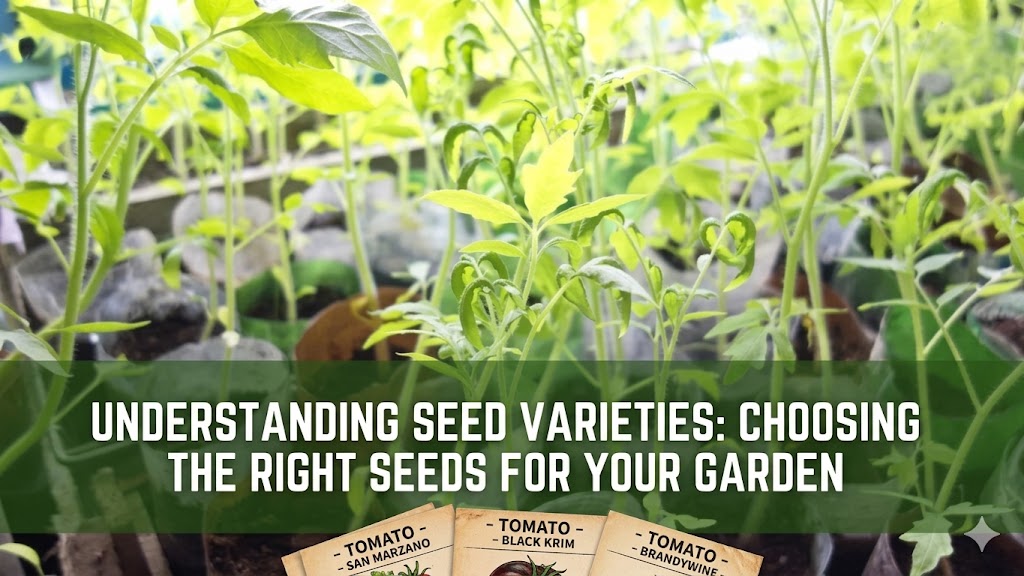
When it comes to gardening, one of the most important decisions you'll make is selecting the right seeds for your garden. The variety of seeds you choose can significantly impact the health, growth, and yield of your plants. Whether you're a beginner or an experienced gardener, understanding seed varieties is essential to cultivating a thriving garden. In this blog post, we'll explore the different types of seeds and provide tips on how to choose the best seeds for your garden.
Types of Seed Varieties:
Before you start planting, it's essential to understand the various types of seeds available. The three main categories of seeds are:
- Heirloom Seeds
Heirloom seeds are traditional varieties that have been passed down through generations. These seeds are open-pollinated, meaning they are pollinated naturally by insects, wind, or birds. Heirloom plants tend to have superior flavor and higher nutritional value, and the seeds can be saved from year to year to continue growing the same variety. Heirloom seeds are perfect for gardeners who want to preserve rare and historical plant varieties. - Hybrid Seeds
Hybrid seeds are a result of cross-pollinating two different plant varieties to create a new one. These seeds are bred for specific traits such as disease resistance, higher yields, or faster growth. While hybrid plants often produce higher yields, they may lack the flavor and diversity of heirloom varieties. Also, hybrid seeds may not produce plants that are true to the parent plants, so you can't save seeds for future planting. - Organic Seeds
Organic seeds are grown without the use of synthetic pesticides, fertilizers, or genetically modified organisms (GMOs). Choosing organic seeds is a great way to support sustainable agriculture and promote biodiversity. Organic seeds are often heirloom varieties, and they help ensure that the plants are grown in a way that is better for the environment and your health.
Factors to Consider When Choosing Seeds for Your Garden:
- Climate and Growing Zone
Different plants thrive in different climates. It's crucial to choose seeds that are well-suited for your local climate and growing zone. Check your USDA Hardiness Zone (or equivalent) to determine which plants will grow best in your area. Some plants, like tomatoes and peppers, require warmer temperatures, while others, like kale and lettuce, grow best in cooler conditions. - Soil Type
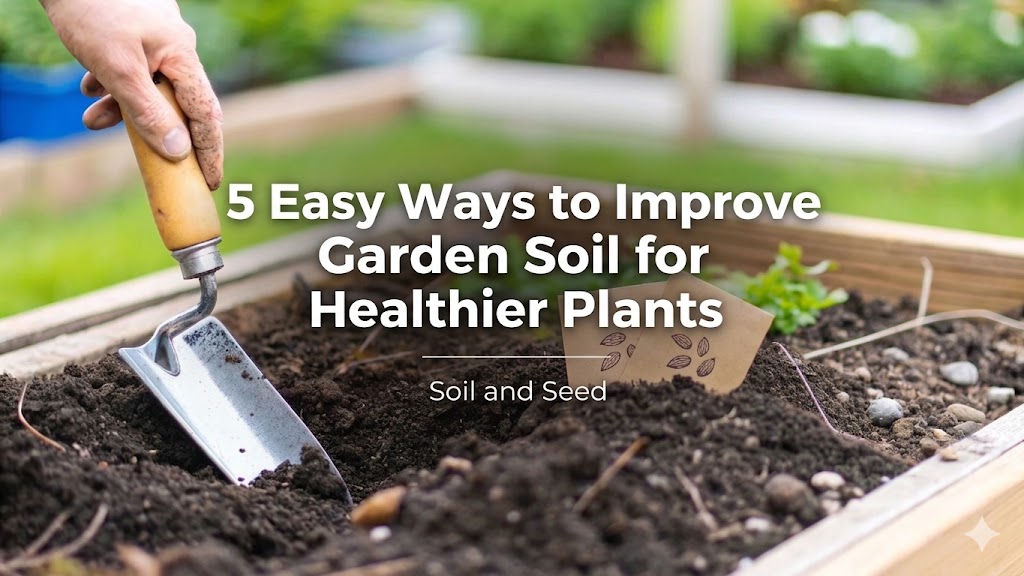
Soil health plays a critical role in the success of your garden. Before choosing seeds, test your soil for its pH, drainage, and nutrient levels. Some plants prefer acidic soil, while others thrive in alkaline soil. Understanding your soil type will help you choose seeds that will grow well and yield the best results. - Space and Growth Habit
Consider the available space in your garden and the growth habit of the plants. Some plants, like pumpkins and cucumbers, need a lot of room to spread out, while others, like tomatoes and lettuce, are more compact. Choose seed varieties that will fit your available space and ensure that your plants don't overcrowd each other. - Purpose and Harvest Time
Think about the purpose of your garden. Are you growing plants for beauty, culinary use, or both? Some plants, like herbs and flowers, are grown for decorative purposes, while others, like vegetables and fruits, provide food. Additionally, consider the time to harvest. Some plants mature quickly (e.g., radishes), while others take longer (e.g., pumpkins or certain trees). Choose seeds that align with your garden goals and timeline.
Tips for Selecting the Best Seeds:
- Do Your Research:
Take time to research the seed varieties you're interested in. Read up on their growth requirements, ideal planting conditions, and expected yield. Many seed companies provide detailed descriptions and growing tips for each variety. - Buy from Trusted Sources:
Purchase seeds from reputable suppliers who offer high-quality, non-GMO seeds. Check the seed packets for information about the growing conditions, seed origin, and whether the seeds are organic or non-organic. - Start Small and Experiment:
If you're new to gardening, it's a good idea to start small. Experiment with different seed varieties to find out which ones perform best in your garden. Over time, you'll gain a better understanding of what works for your specific growing conditions. - Save Seeds for Next Year:
If you're growing heirloom varieties, save the seeds from your best plants to grow again the following year. This practice not only helps you save money, but it also contributes to preserving biodiversity.
Conclusion:
Choosing the right seeds for your garden is a crucial step in ensuring a successful growing season. By understanding the different seed varieties—heirloom, hybrid, and organic—you can make informed decisions about what to plant. Consider factors like your local climate, soil type, and available space to select the best seeds for your garden. With the right seeds, you'll be well on your way to growing a healthy, thriving garden that yields beautiful plants and bountiful harvests.